
How to Care for Livestock in Eskişehir | Vet Tips

Caring for livestock is a vital part of farming, especially in a region like Eskişehir, where agriculture plays a significant role in the local economy. Whether you are a seasoned farmer or a newcomer to livestock management, understanding the best practices for animal care is essential. This blog post will provide you with practical tips and insights to ensure your livestock remains healthy and productive.
Livestock care involves various aspects, including feeding, housing, health management, and general welfare. Each of these areas requires attention to detail and a commitment to best practices. Let's explore these topics in depth.
Understanding Livestock Needs
Every type of livestock has specific needs. Understanding these needs is the first step in providing proper care.
Nutritional Requirements
Livestock requires a balanced diet to thrive. Here are some key points to consider:
Forage: Grass, hay, and silage are essential for ruminants like cows and sheep. Ensure they have access to high-quality forage.
Grains: Pigs and poultry benefit from grains. These can provide the necessary energy for growth and production.
Minerals and Vitamins: Livestock needs minerals and vitamins to support their immune systems and overall health. Consider providing mineral blocks or supplements.
Water Access
Water is crucial for all livestock. Ensure that your animals have access to clean, fresh water at all times.
Daily Check: Inspect water sources daily to ensure they are clean and functioning properly.
Temperature Control: In hot weather, consider using insulated water troughs to keep water cool.
Housing and Environment
The environment in which your livestock lives can significantly impact their health and productivity.
Shelter
Providing adequate shelter is essential for protecting livestock from harsh weather conditions.
Ventilation: Ensure that barns and shelters are well-ventilated to prevent respiratory issues.
Bedding: Use straw or wood shavings for bedding to keep animals comfortable and dry.
Space Requirements
Overcrowding can lead to stress and health issues.
Space Allocation: Each type of livestock requires a specific amount of space. For example, cows need about 1,000 square feet per animal in a barn.
Pasture Rotation: Rotate grazing areas to prevent overgrazing and allow grass to recover.
Health Management
Regular health checks and vaccinations are vital for maintaining livestock health.
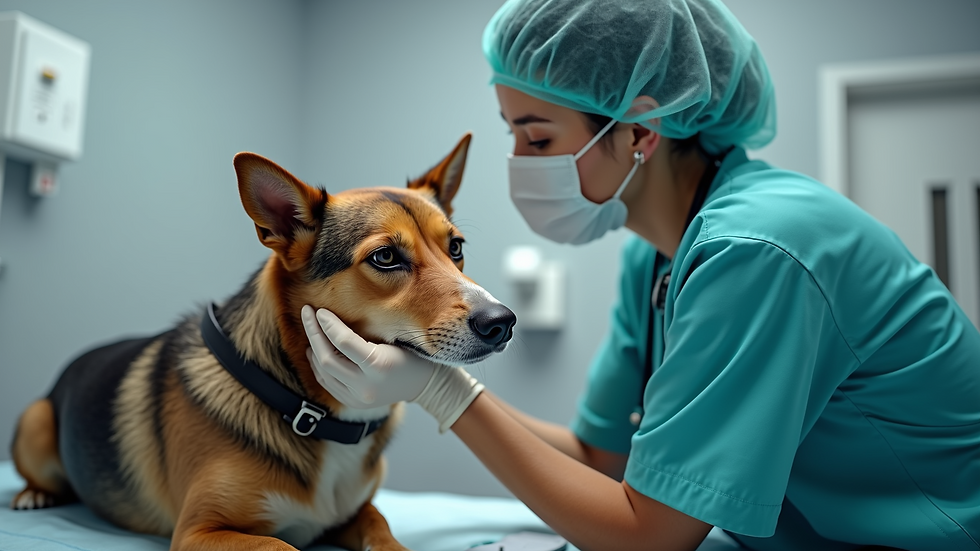
Routine Veterinary Care
Establish a relationship with a local veterinarian who specializes in livestock.
Vaccinations: Keep up with vaccination schedules to prevent diseases.
Regular Check-ups: Schedule regular health check-ups to catch any potential issues early.
Signs of Illness
Being able to recognize signs of illness can save lives.
Behavior Changes: Watch for changes in eating habits, energy levels, or social behavior.
Physical Symptoms: Look for signs like coughing, limping, or unusual discharge from the eyes or nose.
Handling and Training
Proper handling and training can reduce stress for both the animals and the handler.
Gentle Handling Techniques
Always approach livestock calmly and quietly.
Use Low Tones: Speak softly to avoid startling them.
Avoid Sudden Movements: Move slowly and deliberately to keep animals calm.
Training for Routine Tasks
Training livestock for routine tasks can make management easier.
Lead Training: Teach animals to lead using a halter or lead rope. This is especially useful for cattle and sheep.
Feeding Routine: Establish a consistent feeding routine to help animals feel secure.
Record Keeping
Keeping detailed records can help you manage your livestock more effectively.
Health Records
Maintain records of vaccinations, health issues, and treatments.
Tracking: Use a simple spreadsheet or notebook to track each animal's health history.
Production Records
For those involved in breeding or milk production, keeping production records is essential.
Breeding Dates: Record breeding dates and outcomes to monitor reproductive performance.
Milk Yield: Track milk production to identify trends and make improvements.
Community Resources
Eskişehir has a wealth of resources for livestock farmers.
Local Veterinary Services
Utilize local veterinary services for health checks and emergencies.
Emergency Contacts: Keep a list of emergency contacts for veterinary services.
Agricultural Cooperatives
Join local agricultural cooperatives for support and resources.
Networking: Connect with other farmers to share experiences and advice.
Final Thoughts on Livestock Care
Caring for livestock in Eskişehir requires dedication and knowledge. By understanding the needs of your animals, providing proper nutrition, ensuring a safe environment, and maintaining health management practices, you can create a thriving livestock operation.
Remember, the well-being of your livestock directly impacts your success as a farmer. Stay informed, seek help when needed, and always prioritize the health and happiness of your animals.

By following these tips and staying engaged with your livestock, you can ensure a productive and rewarding farming experience. Happy farming!

Yorumlar